
By: Dairo Seyifunmi Moses [Bigzion]

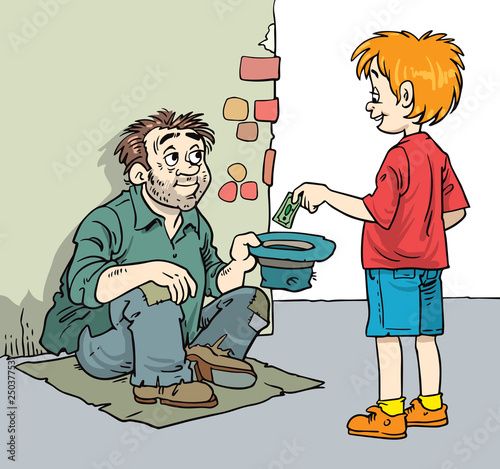
There’s a story many of us grew up hearing that makes a lot of sense when you think about Nigeria today. “The beggar’s choice.”
A man met a beggar by the roadside. The beggar had been there for years, hungry and tired. The man said, “I want to help you, but you have to choose. I have two bags here. This first one has cash inside. Enough to feed you for a while. The second one has seeds, a cutlass, and a small piece of land. It will take work, but it can feed you for life.”
The beggar looked at the cash and he saw food for today. He picked it. In two weeks the money was finished. He was back on the roadside, even more frustrated than before.
Another beggar in the same situation chose the seeds and the land. At first it was not easy. He had to clear the bush, plant, wait, and deal with losses. But after some time he started harvesting. Years later he was no longer begging. He was farming, feeding his family, and even giving work to other people.
That is the same place Nigeria is right now. Our politics and our lives as citizens keep bringing us to that roadside with two bags in front of us.
When we talk about politics in Nigeria today, the “cash bag” is everywhere. You see it during elections. It is the 2k and 5k people share, the bags of rice, the trailers of palliatives, the quick empowerment of a few people with phones and sewing machines for cameras. In government it looks like money shared to cushion hardship, projects that are started and abandoned, and promises that sound sweet but don’t last. The cash bag feels good immediately. It satisfies the immediate need. It addresses the pain we are feeling right now because times are hard.
The “seed bag” is different. It requires endurance. It does not give immediate gratification. The seed bag is about fixing public schools so our brothers and sisters can actually learn. It is making hospitals work so we don’t have to travel abroad for treatment. It is investing in farming the right way, with storage, good roads, and support, so food will not be this expensive. It is fixing electricity so small businesses can run without spending all their profit on fuel. It is building institutions so that things work whether your uncle is in government or not. Seed politics is slow. It demands patience. But it is the only thing that can take us out of this cycle.
The problem is, we as citizens keep reaching for the cash bag. And I understand why. When there is no food in the house, when transport has doubled, when your salary cannot take you to the end of the month, 10,000 naira today looks more real than a road that will be completed next year. Hunger makes people make short-term decisions.
But we have to be honest about what that choice is doing to us. Every time we collect money to vote, we are telling politicians that we don’t care about performance. We just want what we can get now. So after elections they go and look for how to recover that money. That is how we end up with inflated contracts, abandoned projects, and poor services. Then a few months later we are back online complaining about fuel, about school fees, about insecurity.
Every time we cheer a politician who shares rice more than one who talks about jobs and industry, we are teaching them what to do. Every time we don’t ask questions about the budget, every time we say “all of them are the same” and stay at home on election day, we are choosing the cash bag by default.
This is why we keep going in circles. We have treated governance like an emergency relief program for too long. We want quick fixes for problems that need deep work. Fuel subsidy had to go because we never fixed our refineries. Food is expensive because we never really invested in agriculture beyond talking. Graduates are struggling because we kept funding politics instead of funding education and real businesses that can employ people.
The beggar who chose seeds suffered at the beginning. But he ended up free. That is the same with nations. Choosing seeds means we will have to endure some pain now. It means demanding more from our leaders and also from ourselves. It means voting with our heads, not just with our stomachs. It means supporting policies that may be difficult today but will make life better tomorrow. It means as citizens we also have to do our part. Start something small. Stop cutting corners.
If we choose seeds, we will start seeing schools that produce graduates who can compete anywhere. We will see hospitals that people trust. We will see farms that reduce the price of food. We will see a country where young people don’t have to run away just to have a chance at life.
Nigeria is standing at that roadside. The two bags are there. One gives you relief today and keeps you poor tomorrow. The other asks you to work today so that you and your children can be free tomorrow. Cash finishes. We all know that. We have seen it finish in our houses, in government, and in our communities.
But seeds, if we plant them and take care of them, can feed a whole generation.
Maybe it is time we started choosing the seeds.

