

By: Adebanjo Zainab Adejoke

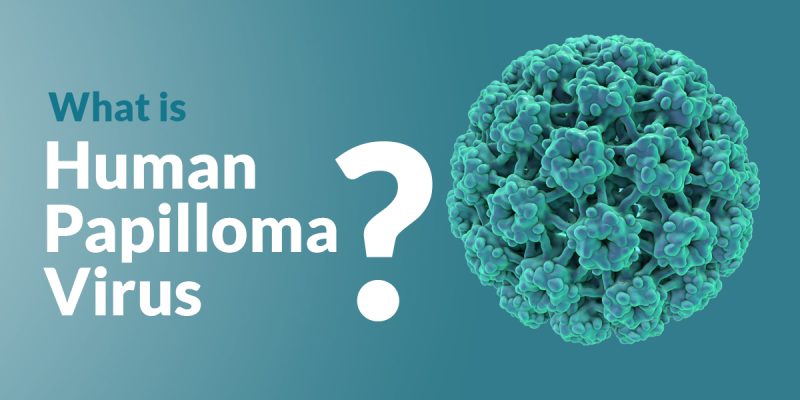
Human Papillomavirus (HPV) is one of the most common viral infections in the world, yet many young people know little or nothing about it. Despite often being called a “silent disease,” HPV can lead to serious health complications, including different forms of cancer. This makes awareness and prevention extremely important, especially among students and young adults.
What Exactly Is HPV?
According to the World Health Organization, HPV is a group of more than 200 related viruses. While many HPV types are harmless and disappear on their own, some are classified as high-risk because they can cause cancers such as cervical, anal, throat, penile, and vaginal cancers. About 30 of these strains specifically affect the genital area, including the vulva, vagina, cervix, penis, scrotum, anus, and rectum. The rest cause common warts on the hands, feet, and face.
According to the Cleveland Clinic, most people who contract HPV will never know they have it. The infection usually carries no symptoms and clears on its own within one to two years, thanks to a healthy immune system. However, for some people, particularly those with weaker immunity, the virus persists. And when it does, the consequences can be serious.
Not All HPV Is the Same
It helps to understand HPV in two broad categories: Low-risk types (particularly types 6 and 11) do not cause cancer. They are responsible for genital warts: rough, cauliflower-like growths that may appear on or around the genitals. Uncomfortable and contagious, but not life-threatening.
High-risk types (especially types 16 and 18) are the dangerous ones. According to a 2025 systematic review published in the International Journal of Pathogen Research, HPV types 16 and 18 are responsible for approximately 70% of cervical cancer cases globally, and 66.9% of invasive cervical cancers in Nigeria specifically.
These strains can cause changes in cervical cells that, if left undetected and untreated, progress to cervical cancer over years or even decades. High-risk HPV is also linked to cancers of the anus, vulva, vagina, penis, and throat. These are rarer than cervical cancer, but real.
How Does It Spread?
HPV spreads through direct skin-to-skin contact, which is what makes it so prevalent. Vaginal, anal, and oral sex are the most common routes of transmission. However, it is important to note that penetration is not required: hand-to-genital contact and non-penetrative sexual activity can also transmit the virus. Condoms and dental dams reduce the risk but do not eliminate it entirely, since HPV can affect skin that a condom does not cover.
This is not a virus confined to one behaviour, one gender, or one lifestyle. Almost all sexually active people who are not vaccinated will encounter HPV at some point in their lives.
The Nigerian Reality
According to a 2025 systematic review published in the International Journal of Pathogen Research, national HPV prevalence in Nigeria is estimated at up to 26.3%, with significant regional variation, ranging from as low as 14.7% in Irun to as high as 37% in Abuja. Cervical cancer, the most common HPV-related cancer, is the second most prevalent cancer among Nigerian women, with approximately 14,089 new cases and 8,240 deaths recorded every year.
Approximately 47 million Nigerian women aged 15 and older are currently at risk. What makes this worse is that the knowledge gap is enormous. According to the same review, only 5.2% of secondary school students surveyed had ever heard of HPV. A separate study in Nnewi found that 65% of adolescents aged 15–18 had never heard of either HPV or its vaccine. Of women in Otukpo, only 13.7% had received even a single dose of the vaccine, and just 16.1% had undergone recommended cervical cancer screening. These are not abstract figures. They represent real people: students, sisters, mothers who are unprotected because the information never reached them.
How Is HPV Detected?
Because high-risk HPV rarely causes symptoms until cancer has already developed, detection depends on routine screening. Pap smear (Pap test): Screens for abnormal or precancerous cervical cells. Women should generally begin routine Pap smears at age 21.
HPV DNA test: Identifies high-risk strains of the virus in cervical cells. According to the WHO, women should be screened every 5–10 years starting at age 30, or every 3 years from age 25 for women living with HIV.
Visual inspection with acetic acid (VIA): An accessible alternative used in settings without laboratory infrastructure. A vinegar-based solution is applied to the cervix, turning abnormal cells white for easier identification.
Genital warts: Usually diagnosed visually by a healthcare provider. Early detection is the difference between treating a precancerous lesion and treating invasive cancer. The earlier the detection, the better, and the simpler the treatment required.
Can HPV Be Prevented?
Yes. And this is the most important part of this conversation. Vaccination is the most effective prevention strategy available. HPV vaccines are safe, highly effective, and most protective when administered before a person becomes sexually active. According to the WHO, vaccination is recommended for all girls aged 9–14 years. The 9-valent vaccine, which protects against nine HPV strains including types 6, 11, 16, and 18, has shown approximately 99% efficacy against the HPV types it targets.
Vaccination is not an endorsement of early sexual activity. It is the same common-sense protection as any other childhood vaccine, arming the immune system before it encounters a threat. Safer sexual practices also help. Using condoms and dental dams consistently reduces, though does not eliminate, the risk of transmission.
Regular screening is the safety net when prevention has not occurred. Routine Pap smears and HPV tests can detect precancerous changes years before they become cancer, making treatment straightforward.
Is There a Cure?
There is no cure for HPV itself. However, according to the WHO, the body clears most infections on its own, with roughly 90% resolving within one to two years. For persistent infections and their complications, there are effective treatments. Genital warts can be removed through topical medications, freezing (cryosurgery), laser therapy, or surgical excision.
Precancerous cervical lesions can be treated with LEEP (loop electrosurgical excision procedure), cold knife cone biopsy, or ablation techniques. If cervical cancer develops, treatment options include surgery, radiotherapy, and chemotherapy. Outcomes are significantly better when it is caught early.The virus itself may not be curable, but its consequences largely are, if they are caught in time.
Why Vaccination Remains Low in Nigeria
Despite the vaccine’s availability and proven safety since 2006, uptake in Nigeria remains critically low. The barriers are well-documented. Cost is the most immediate obstacle. Each vaccine dose costs between ₦9,000 and ₦15,000 in public and private hospitals, a prohibitive price for many families, particularly those in lower-income brackets.
Lack of awareness is equally damaging. You cannot seek a vaccine you have never heard of. Comprehensive, consistent health education on HPV is largely absent from Nigerian schools and communities.
Cultural and religious hesitancy, especially in some northern communities, has been fuelled by misinformation linking the HPV vaccine to infertility. This concern, while understandable given the trust deficit between communities and health authorities, is not supported by evidence. Global data, including post-market surveillance covering over 270 million vaccine doses distributed since 2006, has found no credible link between HPV vaccination and infertility.
Healthcare system limitations, including inadequate public health infrastructure, inconsistent vaccine supply, and limited training among healthcare workers, further compound the problem.
Nigeria is currently in the process of integrating HPV vaccination into its national immunization schedule, but progress has been slow. Full inclusion would mean girls could receive the vaccine free of charge through government health programmes, a step that experts and researchers uniformly identify as essential.
What Needs to Happen
The path forward is well-understood, even if the will to walk it has been slow in coming. Researchers, public health experts, and international bodies are aligned on the priorities: HPV vaccination must be integrated fully into Nigeria’s national immunization schedule so cost is no longer a barrier. School-based vaccination programmes, ideally tied to secondary school admission, would ensure coverage before sexual debut.
Widespread, sustained public health campaigns targeting schools, religious institutions, and community centres are needed to dismantle misinformation and build awareness. And cervical cancer screening must be made more accessible and better publicised.
What You Can Do Right Now
As a student, you have more agency in this than the structural failures might suggest. Find out whether you have received the HPV vaccine. If not, speak to a healthcare provider about your options. If you are sexually active, include HPV screening in your routine health checks. Do not wait for symptoms, as there usually are none until damage has been done. Talk about it. Stigma and silence are the virus’s greatest allies. Normalising these conversations among your peers, in your hostel block, in your department, is a public health intervention in itself.
If you see misinformation being shared, whether in group chats, in person, or on social media, push back with facts.
Final Words
HPV is not a moral story. It is not about promiscuity or recklessness. It is about biology and probability. A virus this common, this easily transmitted, and this silent affects people across every demographic. The shame and stigma that surround it serve no one; they only deepen the information gap that allows it to spread unchecked.
The good news is real: there is a safe, effective vaccine. There are screening tools that catch precancer early. There are treatments that work when conditions are found in time. What is needed now is knowledge and the willingness to act on it. That starts with conversations exactly like this one.
Sources: Ogadah et al. (2025), International Journal of Pathogen Research; World Health Organization (2024), Human Papillomavirus and Cancer; Cleveland Clinic (2024), HPV: Causes, Symptoms & Treatment.

